Before becoming one of France’s first appellations, Cassis had to replant its vineyards. Phylloxera had destroyed them, and they were fully re-established around 1929. On 15 May 1936, its wines received AOC status. Whites had by then become a major part of production. The appellation’s vines are still confined to the commune of Cassis, many on terraced slopes. Around twenty kilometres from Marseille, they face the sea, sheltered by the hills that protect them from the mistral.
Ferme Blanche: in one family since 1714
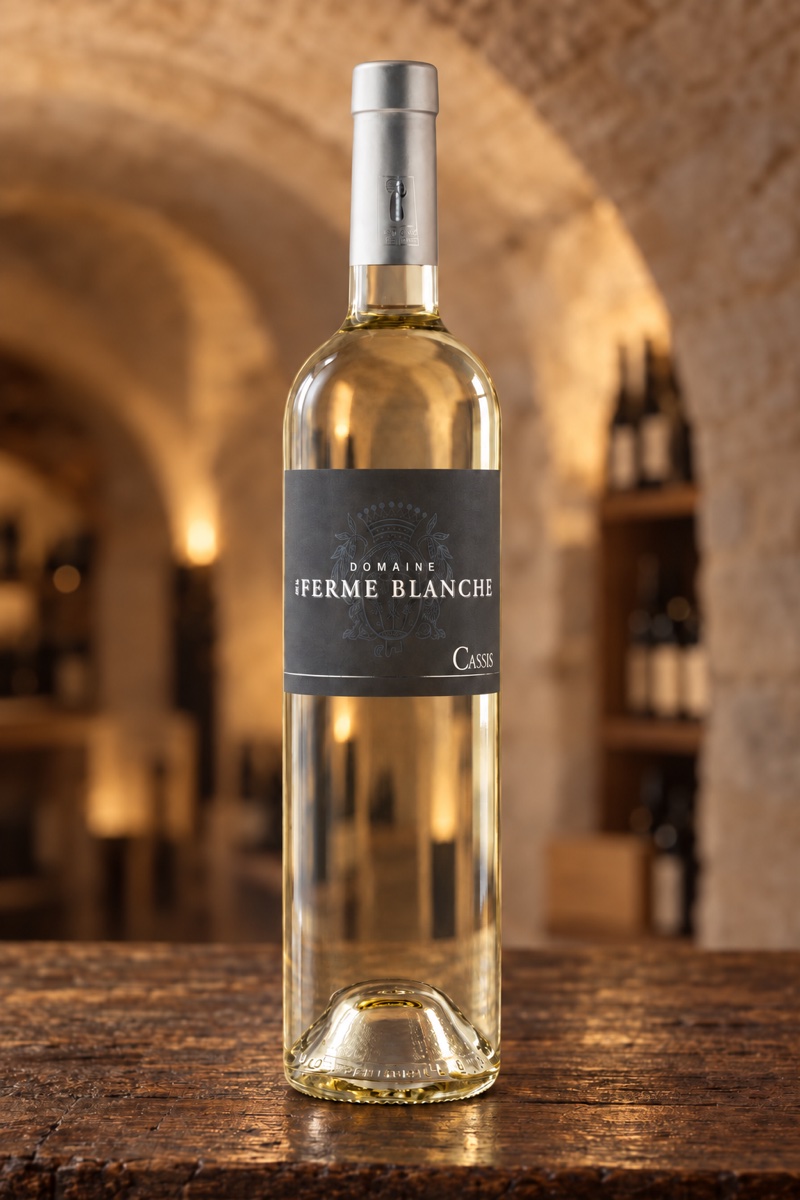
Ferme Blanche has remained in the same family since 1714, long before the Cassis appellation was created. It is the estate’s white that we serve at DiCarlo: generous citrus and acacia-blossom aromas, followed by a fresh, tangy palate.
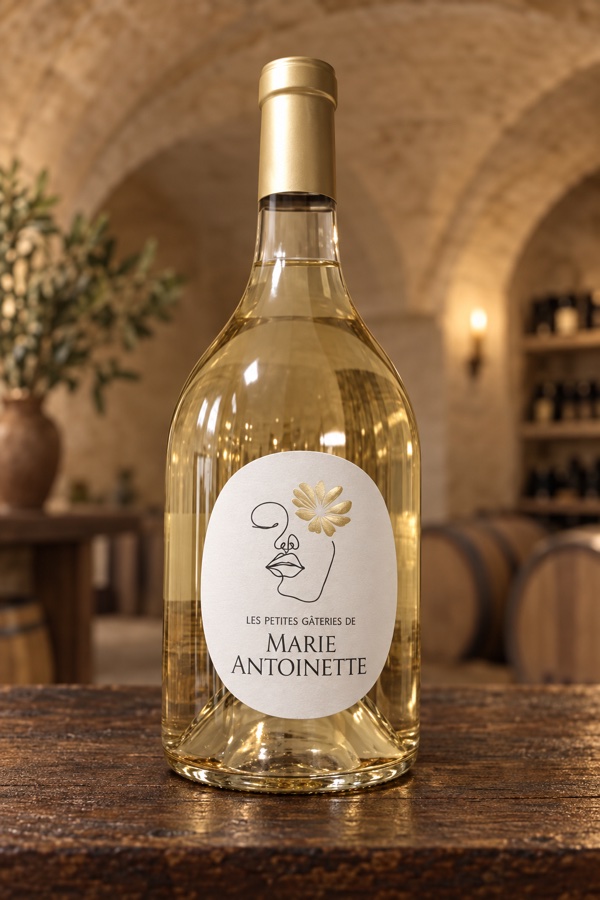
Les petites gâteries de Marie-Antoinette offers another expression of white wine. Here, white-fleshed fruit leads in a fresh, fragrant wine. The fruit comes through more directly than in the floral Cassis.
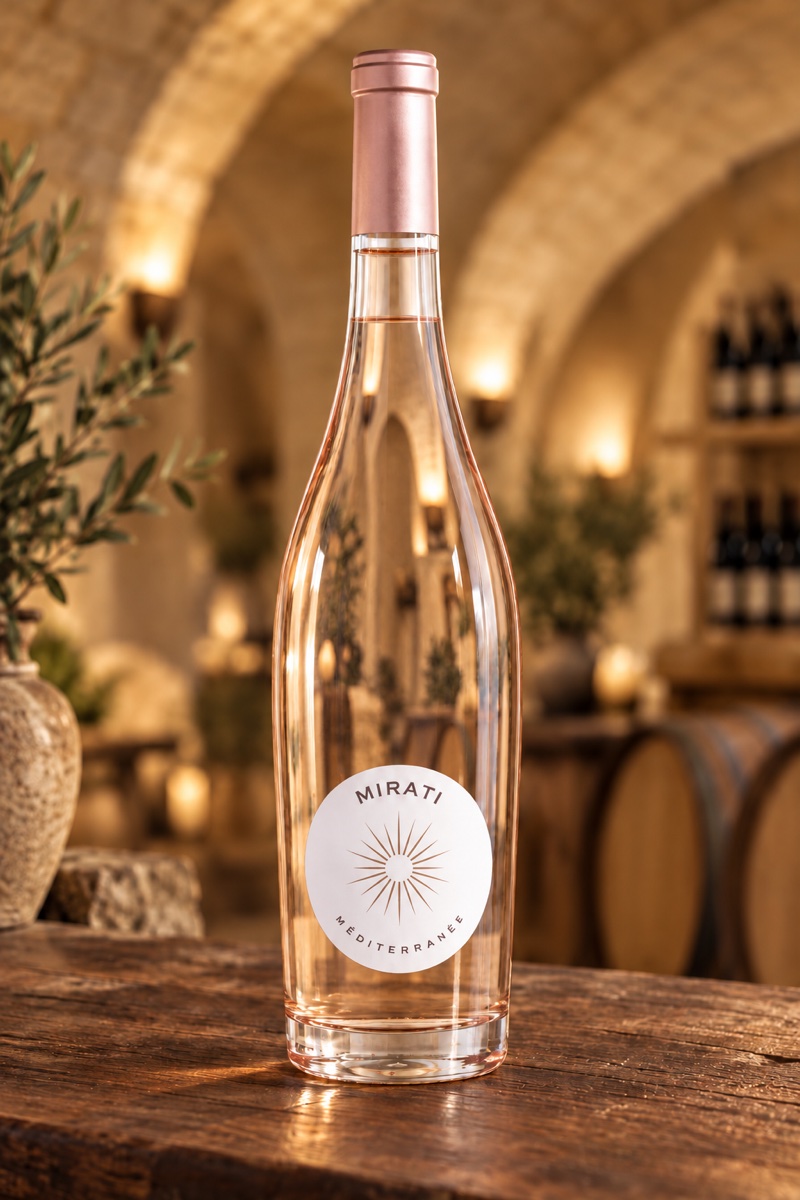
With Mirati, we turn to rosé. This dry, fresh wine has white-fleshed fruit notes lifted by grapefruit. Three bottles, three characters, offering the freshness we love without always choosing the same wine.